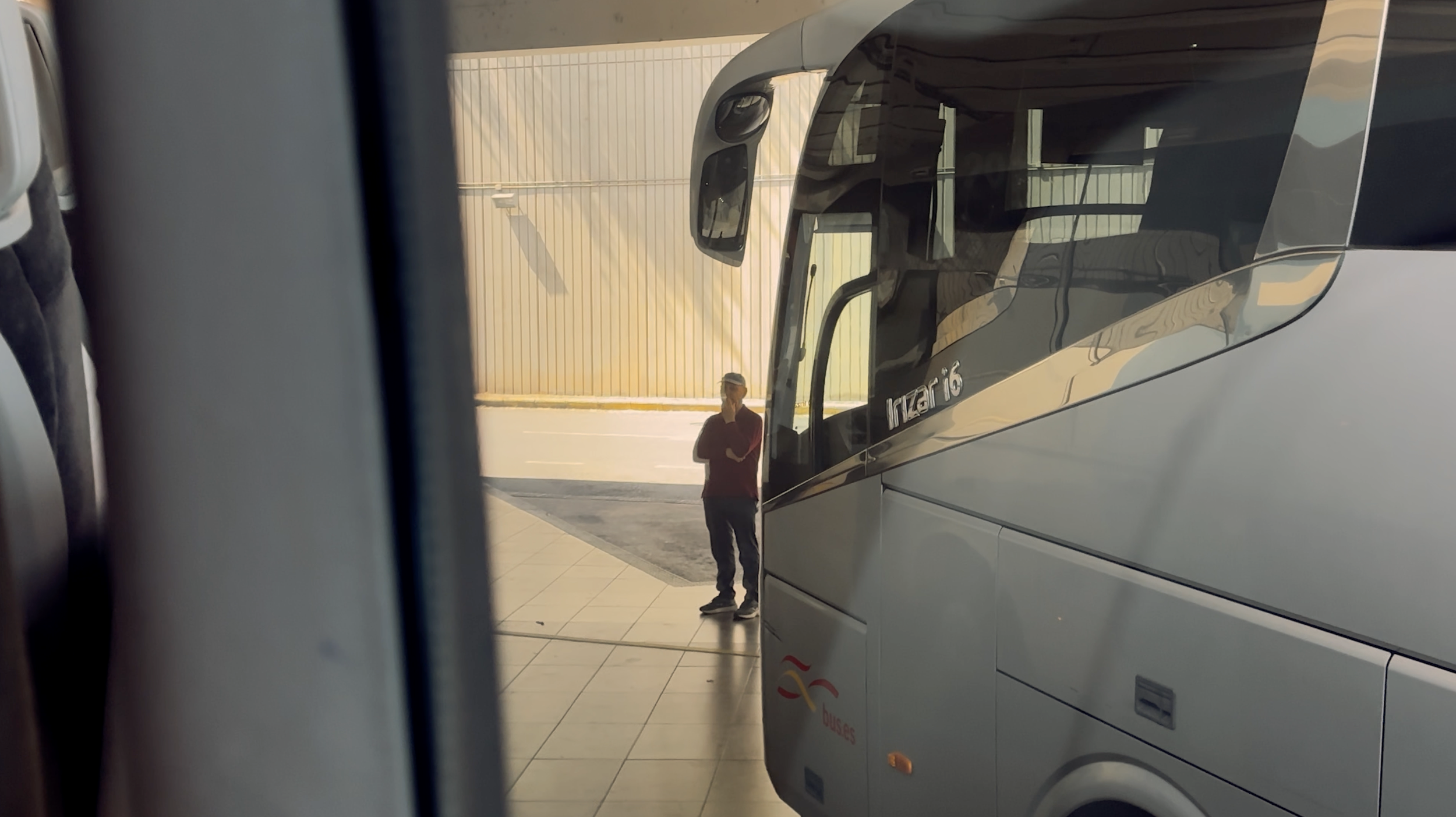
Still There
Audiovisual Essay Film — IE University Thesis (2026)
Watch the film before reading.
The Project
Still There is a short audiovisual essay about the deferral of living. About the hours and years spent waiting for a better version of life to begin, and what gets quietly lost in the waiting. It observes ordinary people in ordinary moments across Spain and the United States, moving through different ages, different versions of later, and different ways of being present or failing to be.
The film does not argue or explain. It observes. It thinks out loud through different voices, different languages, and different lives, creating a space where the viewer can recognize something of their own without being told what to feel.
Still There was made as the creative component of a university thesis at IE University, accompanied by a full academic essay examining the sociology of time, the moralization of work, the cultural logic of always wanting more, and what decades of wellbeing research consistently finds about what actually makes a life feel meaningful.
The Method
Device
The film was shot entirely on an iPhone 15. That was not the easy choice. It was the honest one. The phone is the object most associated with living for later, with scrolling toward the next thing, with anticipating rather than inhabiting. It is also our second pair of eyes and an extension of our bodies. The device has had several physical effects on human beings, visible in posture and in something as small as the indentation it creates on the pinky finger that holds it. Turning it toward presence felt like the only device that could hold the argument without contradicting it.
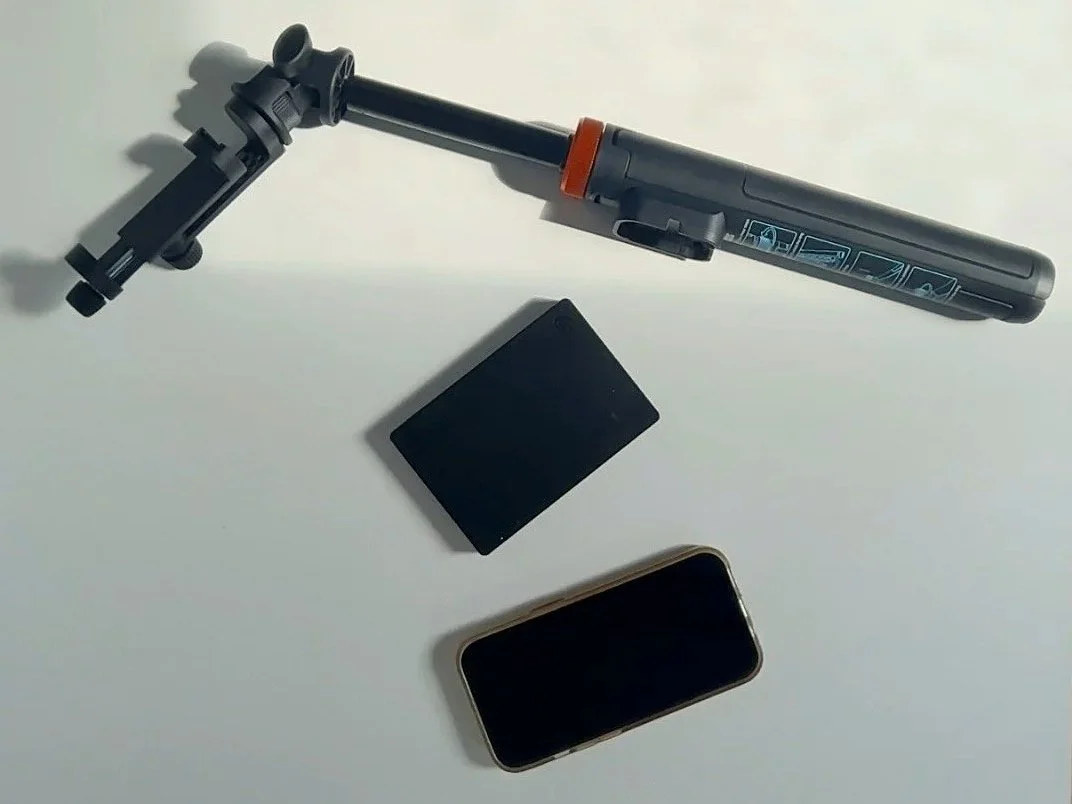
A photograph of an iPhone 15, an Amazon tripod, and a hard drive storing 1,391 videos. Ironically photographed on a Macbook. That is all Still There was made with.
Structure
There was no shot list, no team, no schedule, and no written narration. The only guide was the structure of a human breath: an Inhale, a Hold, and an Exhale.
The Inhale captures the noise and speed of modern life. The Hold explores different versions of later, from a five-year-old who wants to be everything to a grandfather who spent forty years waiting for a Tuesday. The Exhale is the rawness of ordinary life. Hands that know. Food made with love. People simply existing.
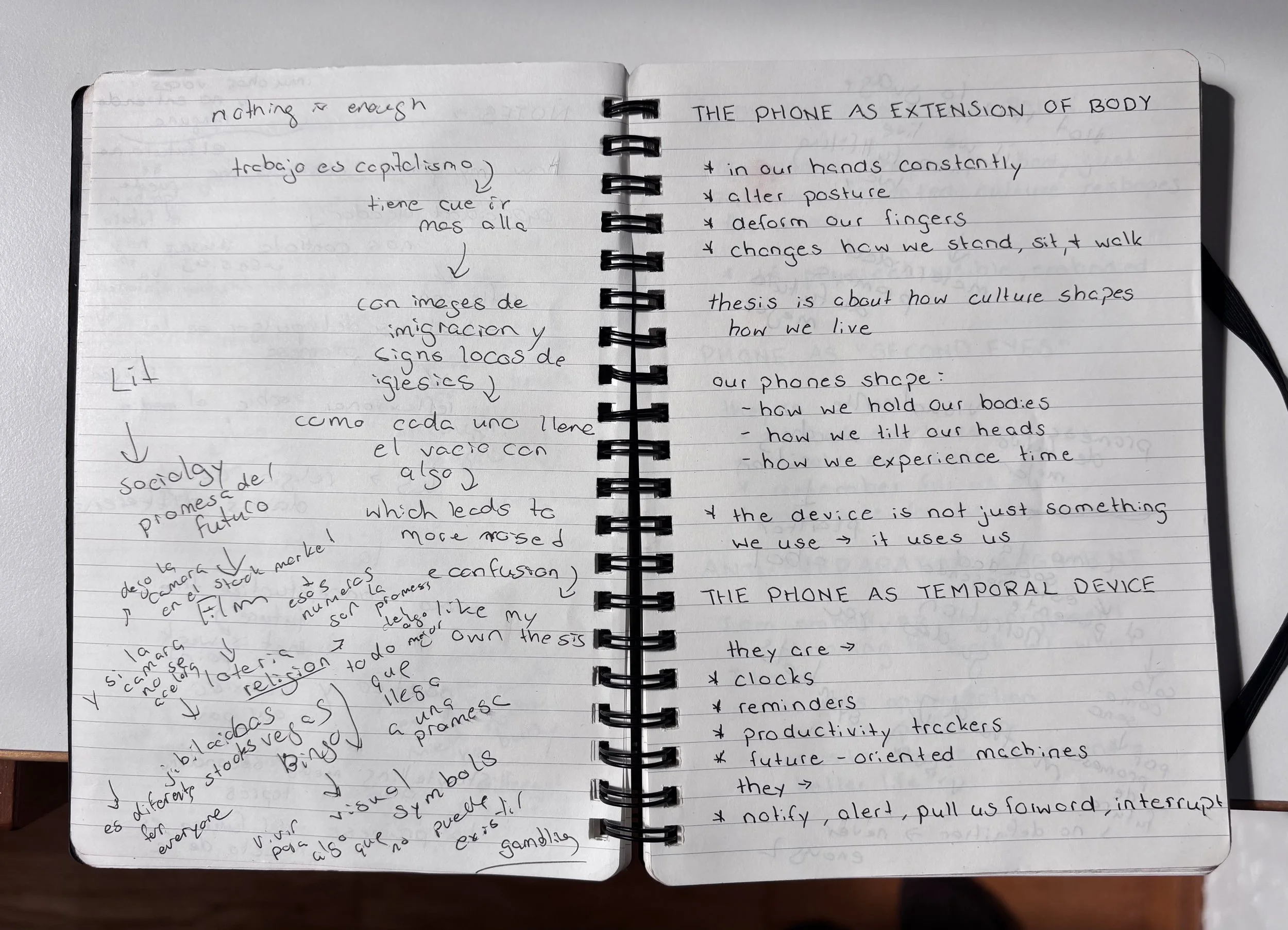
Funny how handwriting changes depending on what we feel. A photograph of the small black notebook filled with half formed ideas.
Narration and Music
The narration emerged from the footage rather than preceding it, spoken by different voices of different ages in English and in Spanish, each one unknowingly describing the same condition from a different point of view.
The music enters only in the Exhale. One single track. 8 minutes and 22 seconds. Titled Room for Whatever is Left.
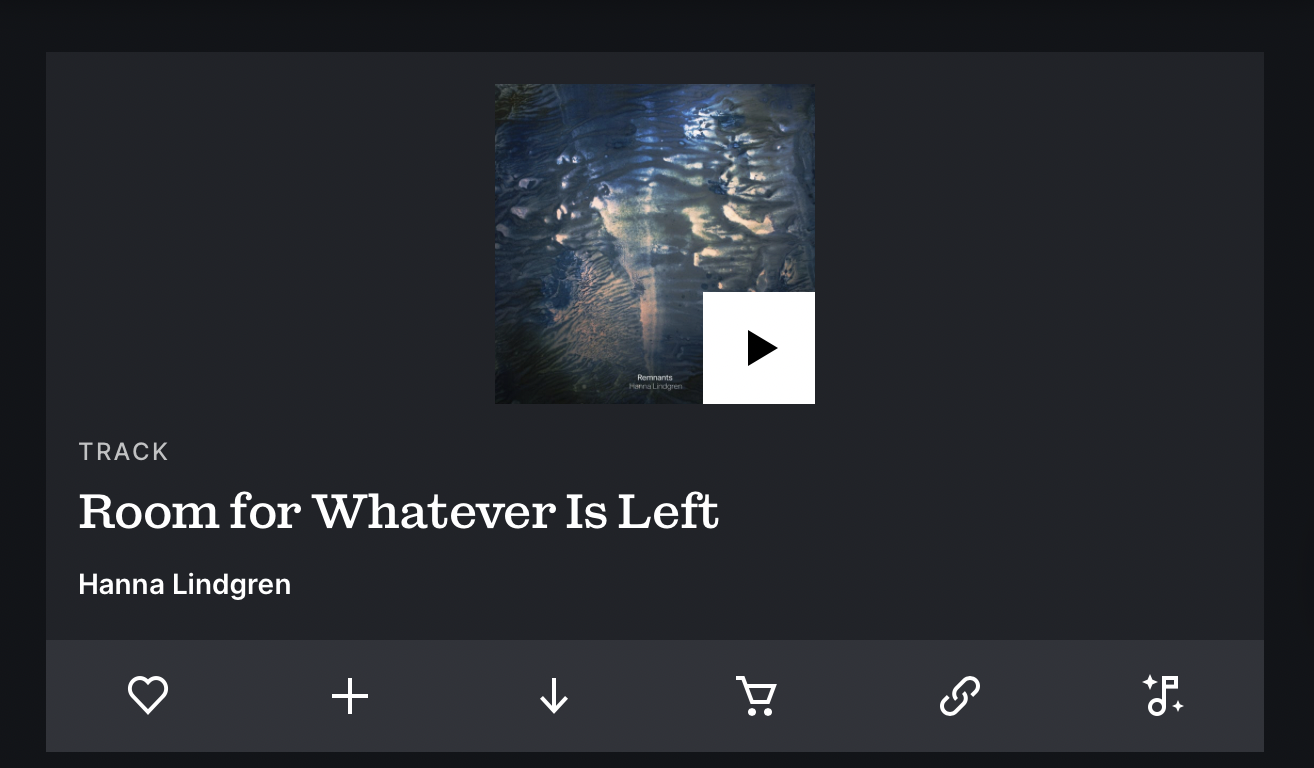
Room for the ordinary beauty of life. Room for what was always here but never noticed. It also fit within seconds of the end without ever being planned to.
Some things arrive exactly when they are supposed to.
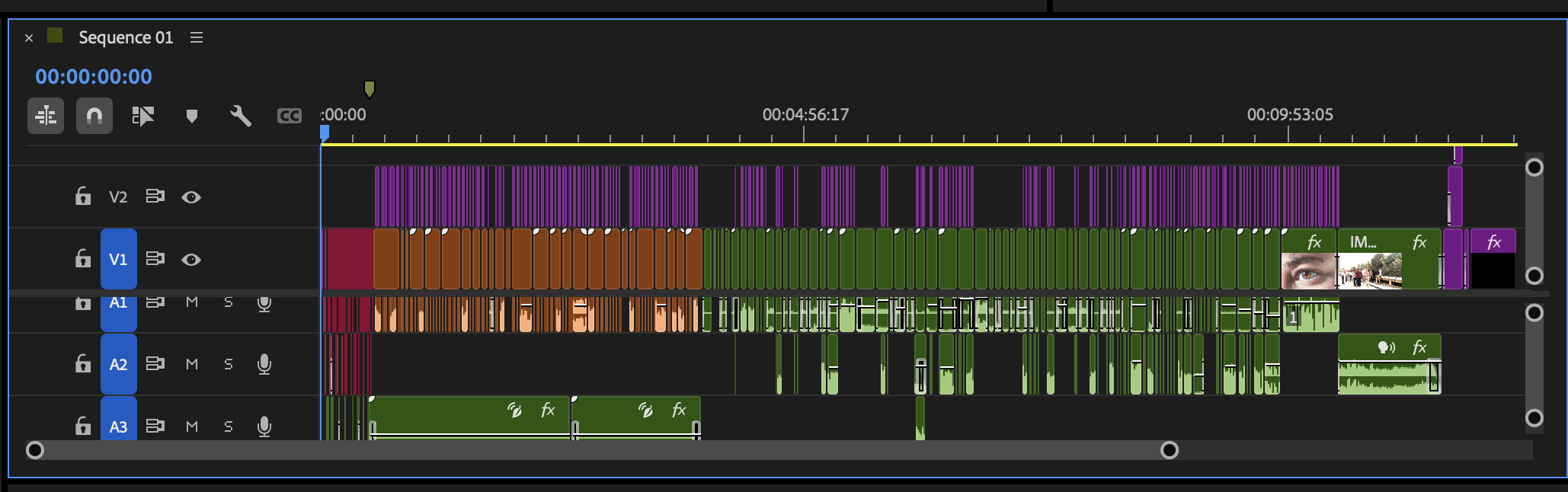
What Still There Found
Screenshot of the Premiere timeline when the breath fully formed, where more Exhale moments existed than had been searched for.
The project set out asking what gets lost when life is organized around a better later. What it found is that nothing gets lost. The present was never hidden. It was simply not being noticed.
The film confirmed what the written thesis argued: meaning does not live in achievement or productivity or the arrival of a future that keeps receding. It lives in the quality of attention paid to what is already here. The research said it. The film felt it.
Making Still There also changed the person who made it. After months of learning to look for something worth keeping, she began to notice things she had always walked past. The film about noticing taught its filmmaker to notice.
A breath does not finish. After an Exhale comes another Inhale.
The cycle continues because life continues and that is exactly what the film does. It does not conclude. The Exhale is not a solution but a space for the viewer to occupy with what is theirs. With what they notice, what they recognize, and what they feel.
Everything they carry when the film ends does not belong to the film. It belongs to the person watching it.
Every shot in the film is documented in full: the voice that speaks over it, the age of the person speaking, and the meaning behind every placement, every connection, and every silence.